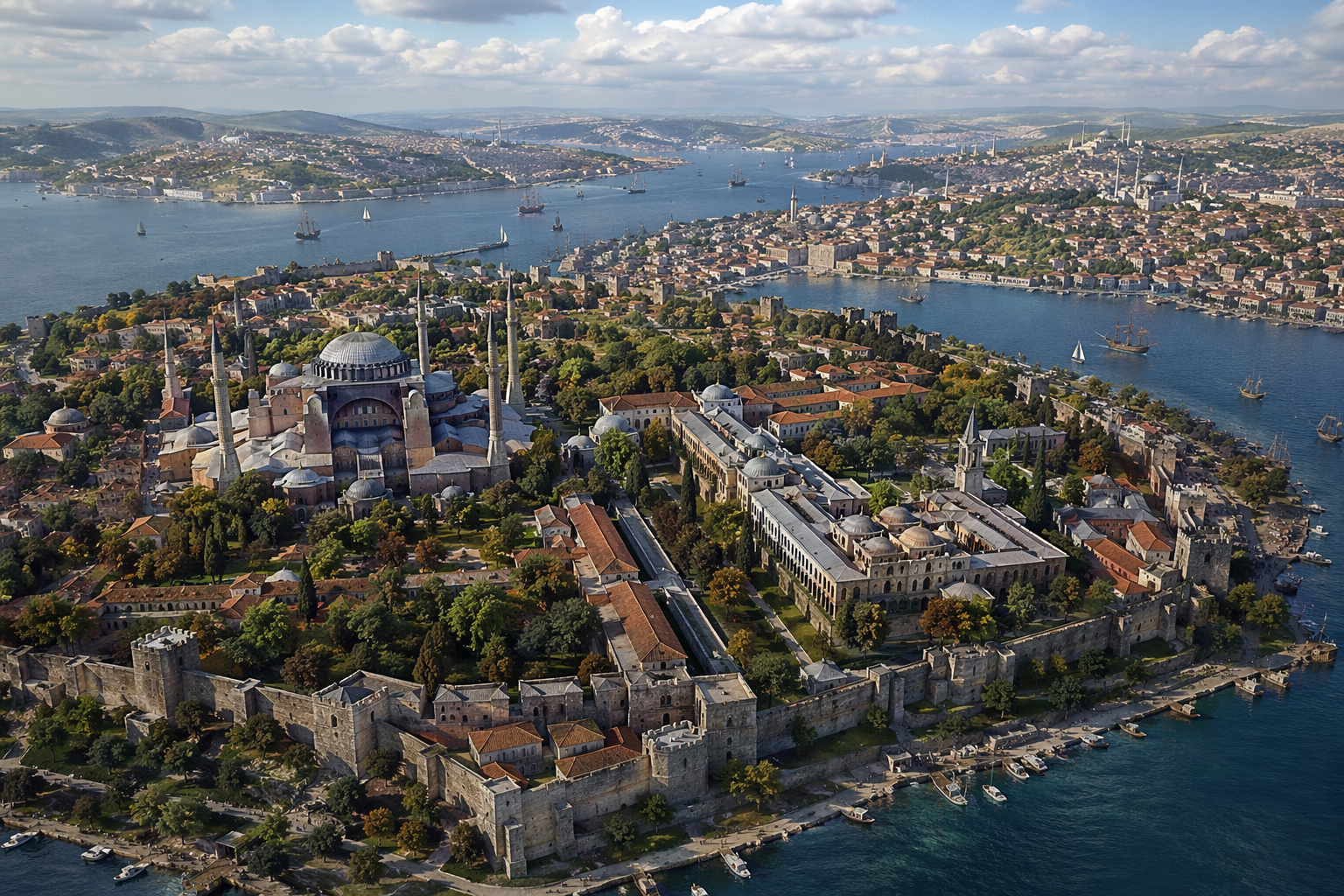
The Palestine conflict is a long-standing and complex geopolitical struggle primarily between the State of Israel and the Palestinian people. Rooted in historical, religious, and nationalistic disputes, this conflict has led to significant political, social, and military confrontations since the early 20th century. Various attempts at peace negotiations have been made, but a lasting resolution remains elusive. The conflict continues to impact millions of lives, shaping regional politics and international relations, and is characterized by issues such as territorial disputes, refugee rights, and mutual recognition.
Creation Time:2024-08-1314 key nodesEnglish
The Timeline
History Timeline and Biographies
Balfour Declaration
The British government issued the Balfour Declaration, expressing support for the establishment of a "national home for the Jewish people" in Palestine, which intensified Jewish immigration and set the stage for future conflicts between Jewish and Arab communities in the region.
UN Partition Plan for Palestine
The United Nations proposed a partition plan to resolve the Palestine conflict by creating separate Jewish and Arab states. The plan was accepted by Jewish leaders but rejected by Arab leaders, leading to increased tensions and violence.
Establishment of the State of Israel and the First Arab-Israeli War
Israel declared independence, prompting neighboring Arab states to invade. The ensuing conflict resulted in significant territorial changes and the displacement of hundreds of thousands of Palestinians, marking a pivotal moment in the Palestine conflict.
Six-Day War and Occupation of Palestinian Territories
Israel fought against Egypt, Jordan, and Syria in the Six-Day War, resulting in the occupation of the West Bank, Gaza Strip, East Jerusalem, and other territories, further complicating the Palestine conflict and leading to ongoing disputes over land.
Camp David Accords
The Camp David Accords, brokered by U.S. President Jimmy Carter, resulted in a peace treaty between Israel and Egypt. Although it did not resolve the Palestine conflict, it laid the groundwork for future negotiations regarding Palestinian autonomy.
First Intifada Begins
The First Intifada, a Palestinian uprising against Israeli occupation, began in the Gaza Strip and spread to the West Bank. This grassroots movement highlighted Palestinian grievances and led to increased international attention on the Palestine conflict.
Oslo Accords Signed
The Oslo Accords marked the first direct negotiations between Israel and the Palestine Liberation Organization (PLO), establishing a framework for Palestinian self-governance and recognition of Israel, though many issues remained unresolved in the Palestine conflict.
Second Intifada Erupts
The failure of peace talks at Camp David led to the Second Intifada, a period of intensified violence and resistance by Palestinians against Israeli occupation, further deepening the divisions in the Palestine conflict.
Israeli Disengagement from Gaza
Israel unilaterally withdrew its settlers and military from the Gaza Strip, leading to the rise of Hamas as a governing authority in the territory. This action did not resolve the Palestine conflict but altered the dynamics of control and resistance.
Palestine Granted Non-Member Observer State Status at the UN
The United Nations General Assembly voted to grant Palestine non-member observer state status, a significant diplomatic achievement for the Palestinian leadership amid ongoing tensions in the Palestine conflict.
Gaza War (Operation Protective Edge)
A major military conflict erupted between Israel and Hamas in Gaza, resulting in significant casualties and destruction. This war highlighted the ongoing humanitarian crisis and unresolved issues in the Palestine conflict.
U.S. Embassy Move to Jerusalem
The United States officially moved its embassy in Israel from Tel Aviv to Jerusalem, recognizing the city as Israel's capital. This controversial decision sparked protests and heightened tensions in the Palestine conflict.
Escalation of Violence and Protests
In May 2021, violence escalated in Gaza and the West Bank, triggered by tensions in East Jerusalem. This conflict resulted in significant casualties and renewed global attention to the Palestine conflict and the plight of Palestinian people.
Continued Tensions and International Responses
The Palestine conflict remains unresolved, with ongoing clashes, settlement expansions, and international diplomatic efforts. The situation continues to evolve as various nations and organizations seek to mediate and address the longstanding issues at the heart of the Palestine conflict.
Regeneration always requests fresh AI content and uses 1 query.