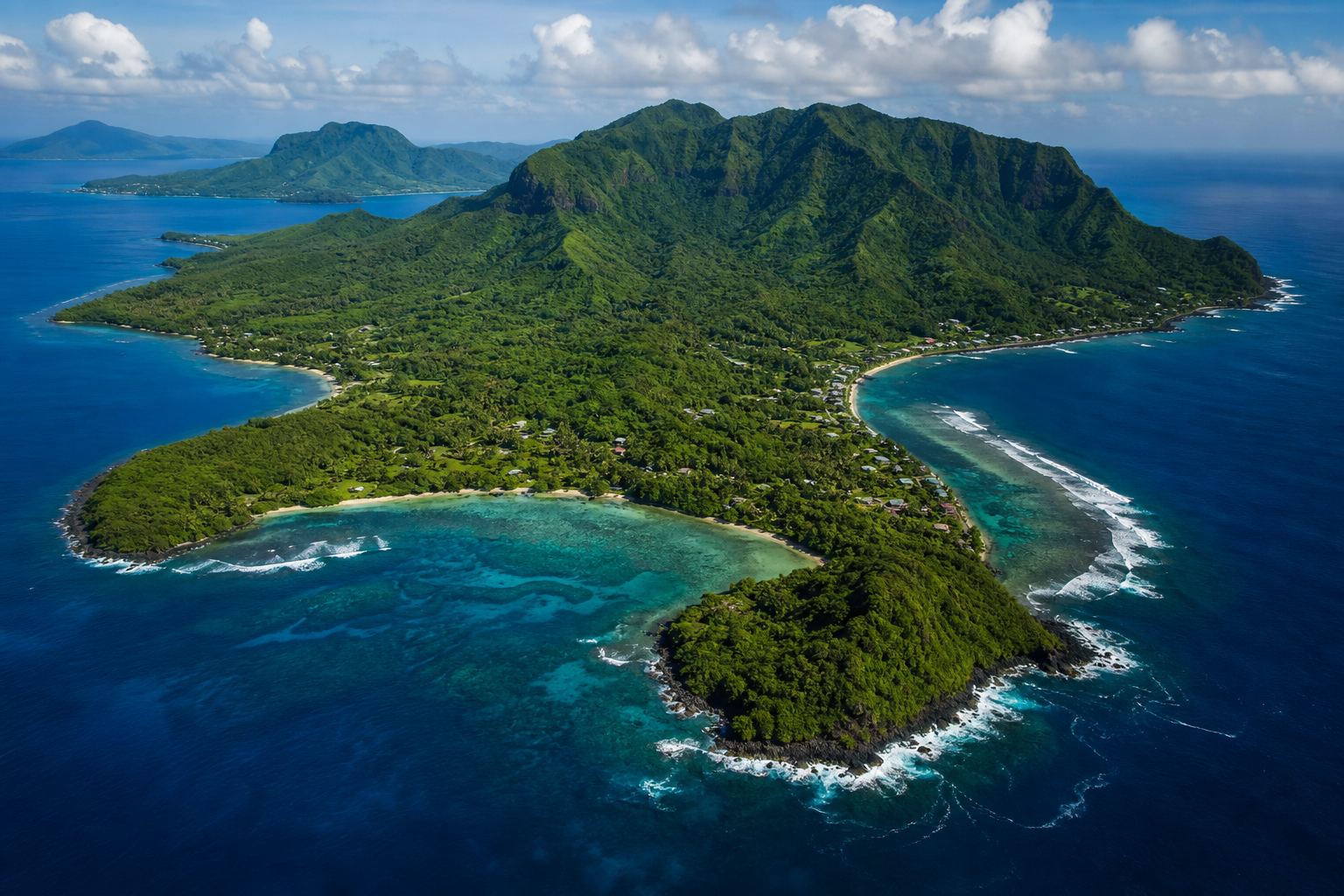
Haiti, located on the island of Hispaniola in the Caribbean, shares a border with the Dominican Republic and is known for its rich history, vibrant culture, and economic challenges. The country became the first independent nation in Latin America and the Caribbean in 1804 after a successful slave revolt, making it a symbol of freedom and resistance. However, Haiti has faced numerous political, social, and economic hurdles, including natural disasters and foreign interventions, which have shaped its complex development history. Understanding Haiti’s past is crucial to grasping its current circumstances and future potential.
Creation Time:2025-12-1114 key nodesEnglish
The Timeline
1492 — 2023
1492
Arrival of Columbus
Christopher Columbus arrived in what is now Haiti in 1492, claiming the land for Spain. This marked the beginning of European colonization in the region and the beginning of the indigenous Taino people's decline due to disease and exploitation.
1697
Spanish Cession of Western Hispaniola
The Treaty of Ryswick in 1697 formally ceded the western third of Hispaniola to France, laying the groundwork for the establishment of the French colony of Saint-Domingue, which would later become Haiti.
1804
Haiti’s Declaration of Independence
After a successful slave revolt led by figures like Toussaint L'Ouverture and Jean-Jacques Dessalines, Haiti declared its independence from France on January 1, 1804, becoming the first independent black republic and second independent nation in the Americas.
1825
Independence Debt to France
Haiti was forced to agree to a crippling indemnity in 1825, where it compensated France for lost property and slaves, which significantly hampered its economic development for generations to come.
1915
U.S. Occupation of Haiti Begins
The United States occupied Haiti in 1915, citing instability and the need to protect American interests. This marked a significant period in Haiti's history, impacting its political and economic landscape until the occupation ended in 1934.
1946
Election of Dumarsais Estimé
Dumarsais Estimé was elected president of Haiti in 1946, becoming an advocate for social and economic reforms while also representing a significant shift toward national governance after years of foreign influence.
1957
Rise of François Duvalier (Papa Doc)
François Duvalier was elected president and later declared himself "President for Life," ushering in a notorious dictatorship characterized by repression, human rights abuses, and the use of the infamous Tonton Macoute militia to maintain control.
1986
Fall of the Duvalier Regime
The dictator Jean-Claude Duvalier (Baby Doc), the son of François Duvalier, was ousted from power in 1986 after a popular uprising, leading to a period of political instability and the hope for democratic reforms in Haiti.
1990
First Democratic Elections
Haiti held its first free elections in 1990, with the election of Jean-Bertrand Aristide. However, his presidency was short-lived due to a coup in 1991, leading to years of turmoil and unrest in Haiti.
2004
Aristide’s Ouster and U.N. Intervention
Jean-Bertrand Aristide was ousted again in 2004, leading to a U.N. peacekeeping mission in Haiti aimed at stabilizing the country amidst violence and political chaos.
2010
2010 Earthquake
A catastrophic earthquake struck Haiti on January 12, 2010, causing widespread destruction and loss of life, further complicating Haiti’s recovery and development efforts in the wake of previous political issues and economic struggles.
2016
Election of Jovenel Moïse
Jovenel Moïse was elected president in 2016 after a prolonged electoral process. His administration faced multiple crises, including economic challenges and political unrest, affecting Haiti's path to stability.
2021
Assassination of Jovenel Moïse
On July 7, 2021, President Jovenel Moïse was assassinated, leading to further instability and uncertainty in Haitian politics, exacerbating the existing challenges facing the nation's governance and security.
2023
Continued Struggles for Stability and Progress
Haiti continues to face significant challenges, including political instability, economic difficulties, and widespread violence. Efforts from international organizations and the Haitian community aim to foster recovery and sustainable development for the nation’s future.
Regeneration always requests fresh AI content and uses 1 query.