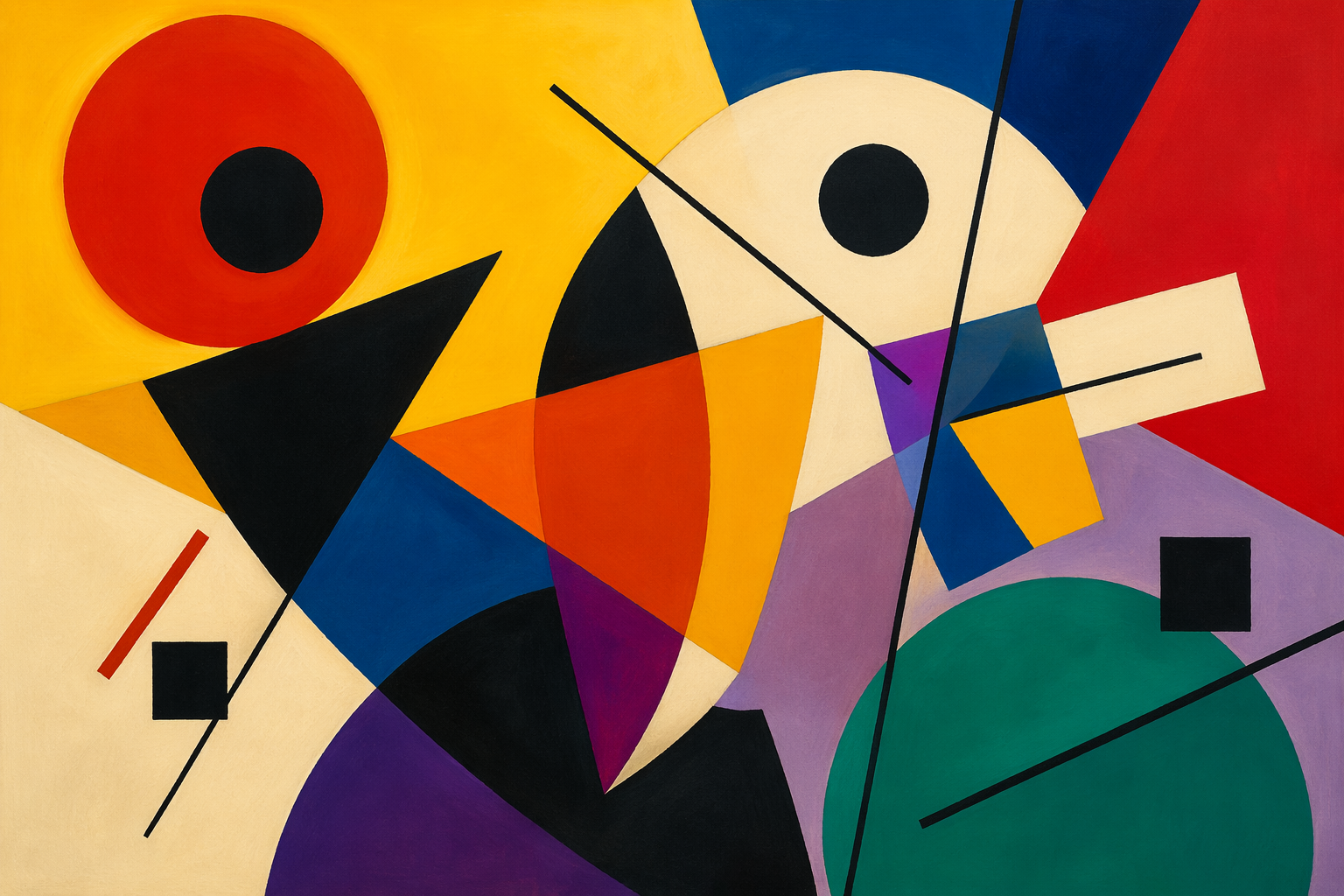
Modernism History Timeline and Biographies
Back to Discover Event · English

Modernism

Modernism revolutionized art, literature, and architecture in the late 19th to mid-20th centuries.

Creation Time:2026-07-08 10 key nodes English

The Timeline

1870 — 1960

  1. 1870

    Emergence of Modernist Ideas

    Modernism began to take shape as a response to the rapid changes in society, influenced by industrialization and urbanization. Artists and thinkers started to question traditional forms and values, leading to new expressions in various disciplines.

  2. 1890

    Symbolism in Literature

    The Symbolist movement emerged as a precursor to Modernism, focusing on evoking emotions through symbolic imagery. Writers like Stéphane Mallarmé and Paul Verlaine sought to break free from conventional narrative structures, paving the way for modern literary techniques.
  3. 1907

    Cubism in Art

    Pablo Picasso and Georges Braque introduced Cubism, a revolutionary art movement that fragmented subjects into geometric shapes. This radical departure from realism challenged viewers to reconsider perspective and representation in art.
  4. 1913

    The Armory Show

    The Armory Show in New York introduced American audiences to European avant-garde art, including works by Duchamp and Matisse. This landmark exhibition marked a significant turning point in the acceptance of modern art in the United States.
  5. 1914

    World War I and Modernism

    The devastation of World War I had a profound impact on Modernist thought, prompting artists and writers to explore themes of disillusionment and fragmentation. Many turned to experimental forms to convey the chaos of contemporary life.
  6. 1922

    Publication of 'Ulysses'

    James Joyce's 'Ulysses' was published, showcasing stream-of-consciousness narrative and innovative structure. This groundbreaking work exemplified Modernist literature's departure from linear storytelling and traditional character development.
  7. 1925

    The Bauhaus Movement

    Founded by Walter Gropius, the Bauhaus school in Germany revolutionized architecture and design by integrating art with technology. The movement emphasized functional design and simplicity, influencing modern architecture worldwide.
  8. 1930

    Modernist Architecture

    The International Style emerged in architecture, characterized by minimalism and the use of new materials like steel and glass. Architects such as Le Corbusier and Ludwig Mies van der Rohe led this movement, shaping urban landscapes.
  9. 1945

    Post-War Modernism

    After World War II, Modernism evolved to address new societal issues, with artists seeking to express the complexities of the human experience. This period saw the rise of Abstract Expressionism and a focus on individualism in art.
  10. 1960

    The End of Modernism

    By the 1960s, Modernism began to decline as postmodernism emerged, challenging its principles and questioning the notion of a singular narrative. This transition marked a significant shift in cultural and artistic paradigms.

Regeneration always requests fresh AI content and uses 1 query.

Download History Timeline