Discover
Find History Timelines and Biographies
Through our historical timeline search, you can find biographical information about individuals, companies, countries, and organizations, easily understanding their key events and historical trajectories.
Showing 20 timelines
World Financial Events
Significant World Financial Events
A concise overview of pivotal events that shaped global finance and economies.
 Event · English
10 nodes
Event · English
10 nodes Invasion of France and the EU
A timeline of significant military invasions involving France and the European Union.
 Event · English
10 nodes
Event · English
10 nodes Intellectual Revolution
The Intellectual Revolution marked a profound transformation in human thought and philosophy.
 Event · English
10 nodes
Event · English
10 nodes World War II
World War II was a global conflict that lasted from 1939 to 1945, involving most of the world's nations.
 Event · English
12 nodes
Event · English
12 nodes Administration
History of Administration
La administración ha evolucionado desde estructuras antiguas hasta sistemas modernos complejos.
 Event · English
12 nodes
Event · English
12 nodes Estilos y corrientes arquitectónicas
Architectural Styles and Movements
Un recorrido por los estilos y corrientes arquitectónicas más influyentes a lo largo de la historia.
 Event · English
11 nodes
Event · English
11 nodes révolution numérique
Digital Revolution
La révolution numérique a transformé la façon dont nous communiquons, travaillons et vivons grâce à l'innovation technologique.
 Event · English
10 nodes
Event · English
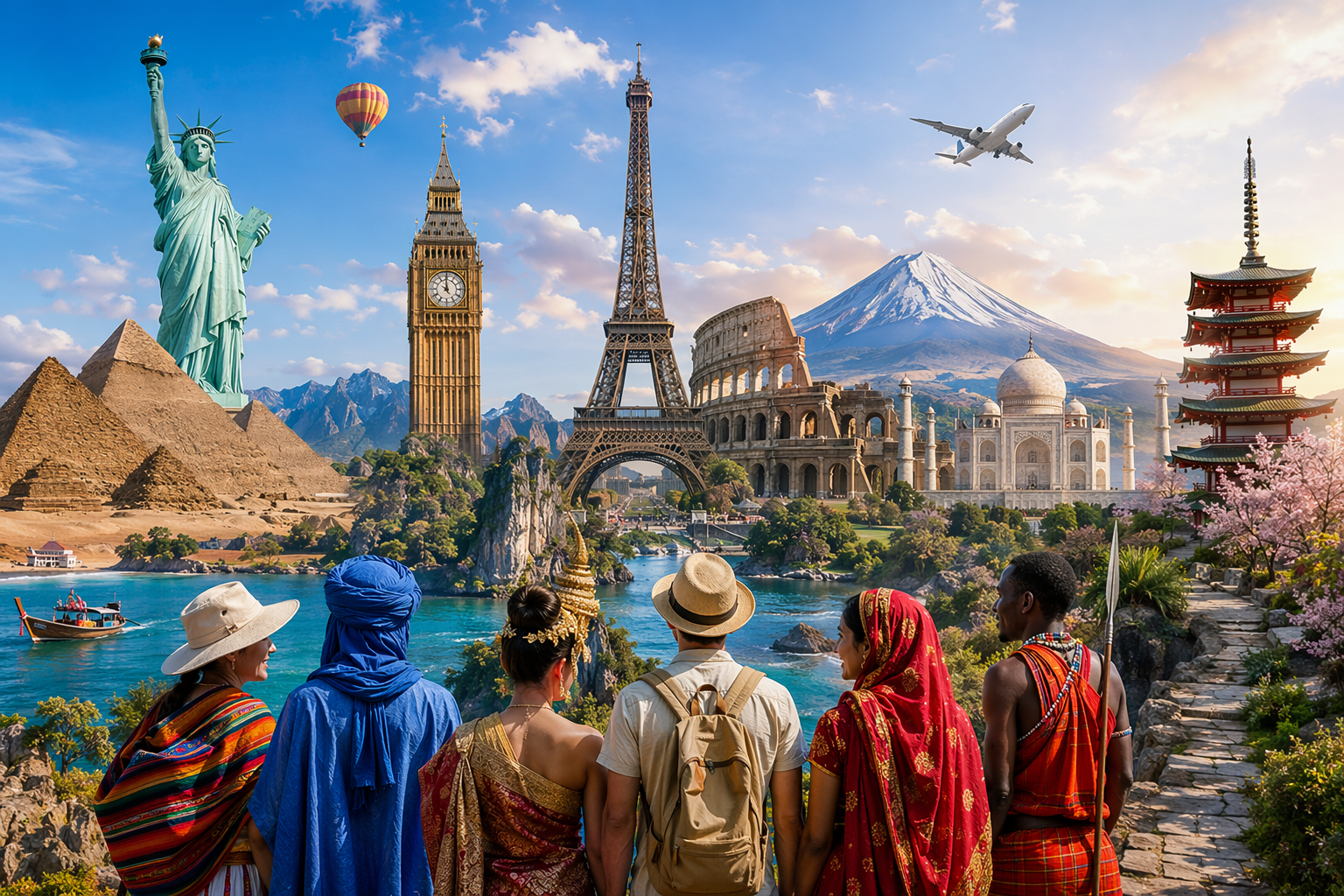
10 nodes Tourism Management
A concise overview of the evolution of tourism management from the 20th century to today.
 Event · English
11 nodes
Event · English
11 nodes baking
History of Baking
Baking has evolved significantly from ancient times to modern culinary arts.
 Event · English
11 nodes
Event · English
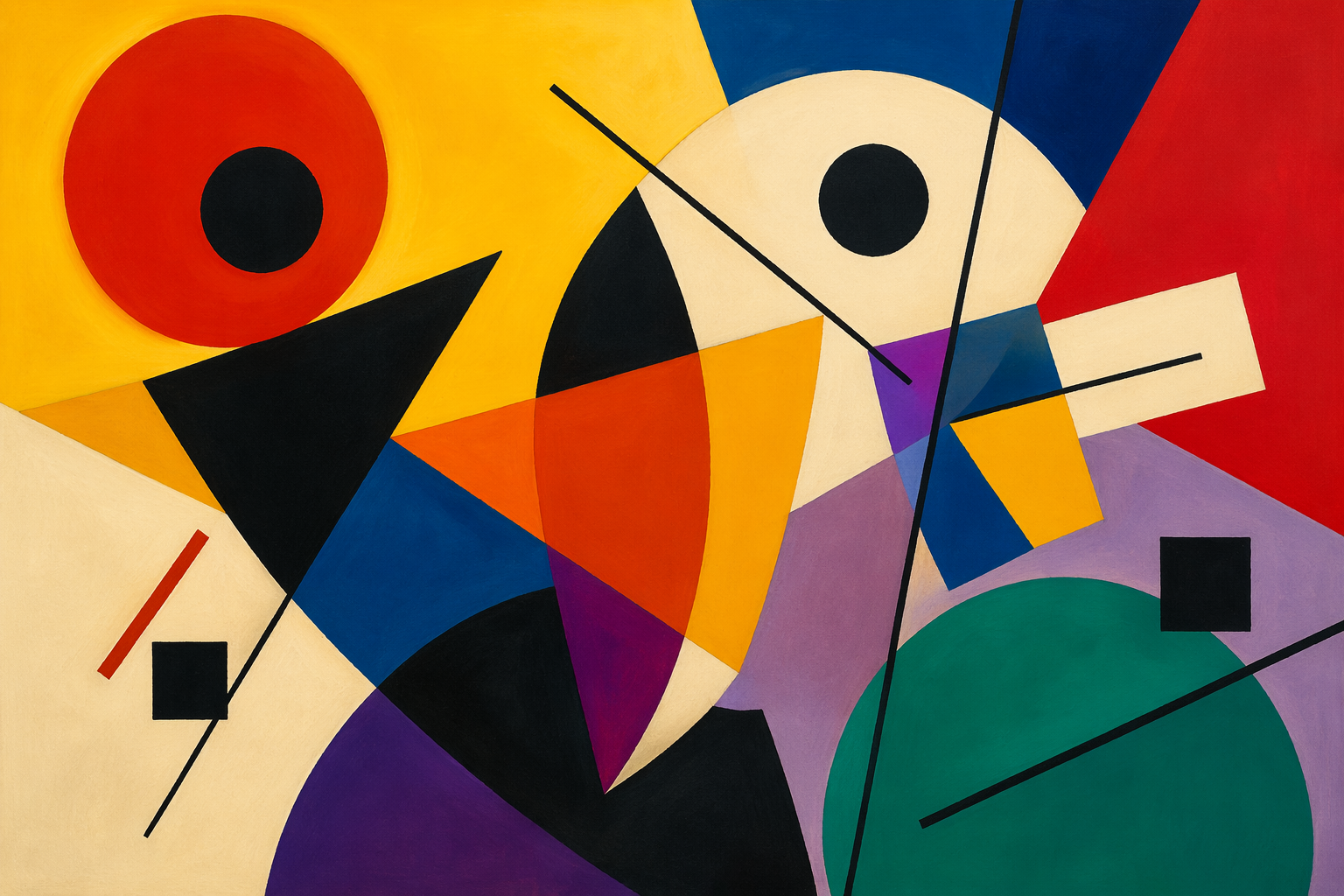
11 nodes World War II
A comprehensive overview of World War II, detailing key events from 1939 to 1945 that shaped the modern world.
 Event · English
10 nodes
Event · English
10 nodes Modernism
Modernism revolutionized art, literature, and architecture in the late 19th to mid-20th centuries.
Year 100
The year 100 marked significant events in the Roman Empire and Han Dynasty, highlighting cultural exchanges.
io game
IO Game
A brief overview of the evolution and milestones of IO games in the gaming industry.
eminem most important 7 events
Eminem, one of the most influential figures in hip-hop music, has a rich and transformative career marked by numerous significant events. These milestones illustrate his rise from obscurity to global stardom, along with his impact on culture and music. The following timeline highlights Eminem's most important 7 events, offering a glimpse into his evolution as an artist and entertainer. From early struggles to chart-topping success, these happenings demonstrate the critical moments that shaped Eminem's career and legacy in the music industry.
salem witch trials
The Salem witch trials were a series of hearings and prosecutions that took place in 1692 in colonial Massachusetts, primarily in the town of Salem. This dark period in American history saw a wave of hysteria regarding witchcraft, leading to the wrongful conviction, imprisonment, and execution of many innocent individuals, predominantly women. The trials have since become synonymous with the dangers of isolationism, religious extremism, and scapegoating in society.
1989年六月
1989年六月, or June 1989, marks a significant period in global history, particularly noted for the Tiananmen Square protests in China. These events were characterized by mass demonstrations advocating for political reform, democracy, and human rights. The protests culminated in a tragic crackdown by the Chinese government, leading to widespread international condemnation and a pivotal moment in Chinese history. The legacy of 1989年六月 continues to influence discussions on freedom and governmental authority worldwide.
Cinco de Mayo
Cinco de Mayo, celebrated on May 5th, commemorates the Mexican army's victory over French forces at the Battle of Puebla in 1862. While often mistaken for Mexico's Independence Day, it is more about honoring Mexican heritage and culture, particularly in the United States. The holiday has evolved into a celebration of Mexican-American culture, featuring parades, music, dancing, and traditional foods. Over the years, Cinco de Mayo has grown in popularity, especially in regions with significant Mexican-American populations, making it a vibrant occasion for cultural expression and community pride.
The battle of hastings
The Battle of Hastings, fought on October 14, 1066, was a pivotal moment in English history that marked the beginning of Norman rule in England. This battle was fought between the Norman army led by Duke William of Normandy and the English forces commanded by King Harold II. The conflict resulted in a decisive victory for the Normans, leading to significant cultural and political changes in England. The battle's legacy continues to influence the historical narrative of England and its monarchy.
911袭击事件
The 911袭击事件, or September 11 attacks, were a series of coordinated terrorist attacks carried out by the extremist group al-Qaeda on September 11, 2001. These attacks involved the hijacking of four commercial airplanes, leading to the destruction of the World Trade Center in New York City and significant damage to the Pentagon. The tragic events resulted in the deaths of nearly 3,000 people and had profound impacts on U.S. and global security policies, leading to the War on Terror and significant changes in international relations and domestic security measures.
六四事件
The 六四事件, also known as the Tiananmen Square Massacre, refers to the pro-democracy protests that took place in Beijing, China, in 1989. The movement, primarily led by students, called for political reform, freedom of speech, and other democratic rights. The protests culminated in a violent crackdown by the Chinese government on June 3-4, 1989, resulting in significant loss of life and widespread international condemnation. The event remains a sensitive topic in China and is often subject to censorship. The legacy of 六四事件 continues to influence discussions about human rights and political freedoms in China and around the world.