S ST
Back to Discover Country · English

Short timeline of Cuba

The Short timeline of Cuba highlights key events and milestones in the history of this Caribbean nation. From its indigenous roots and colonial past to the revolutionary changes of the 20th century and its ongoing social and economic developments, Cuba's timeline reflects a rich and complex narrative. This timeline serves as a concise overview of significant occurrences that have shaped Cuba into the country it is today, making it a valuable resource for understanding its historical context and contemporary issues.

Creation Time:2025-03-03 15 key nodes English

The Timeline

1492 — 2024

  1. 1492

    Christopher Columbus Arrives in Cuba

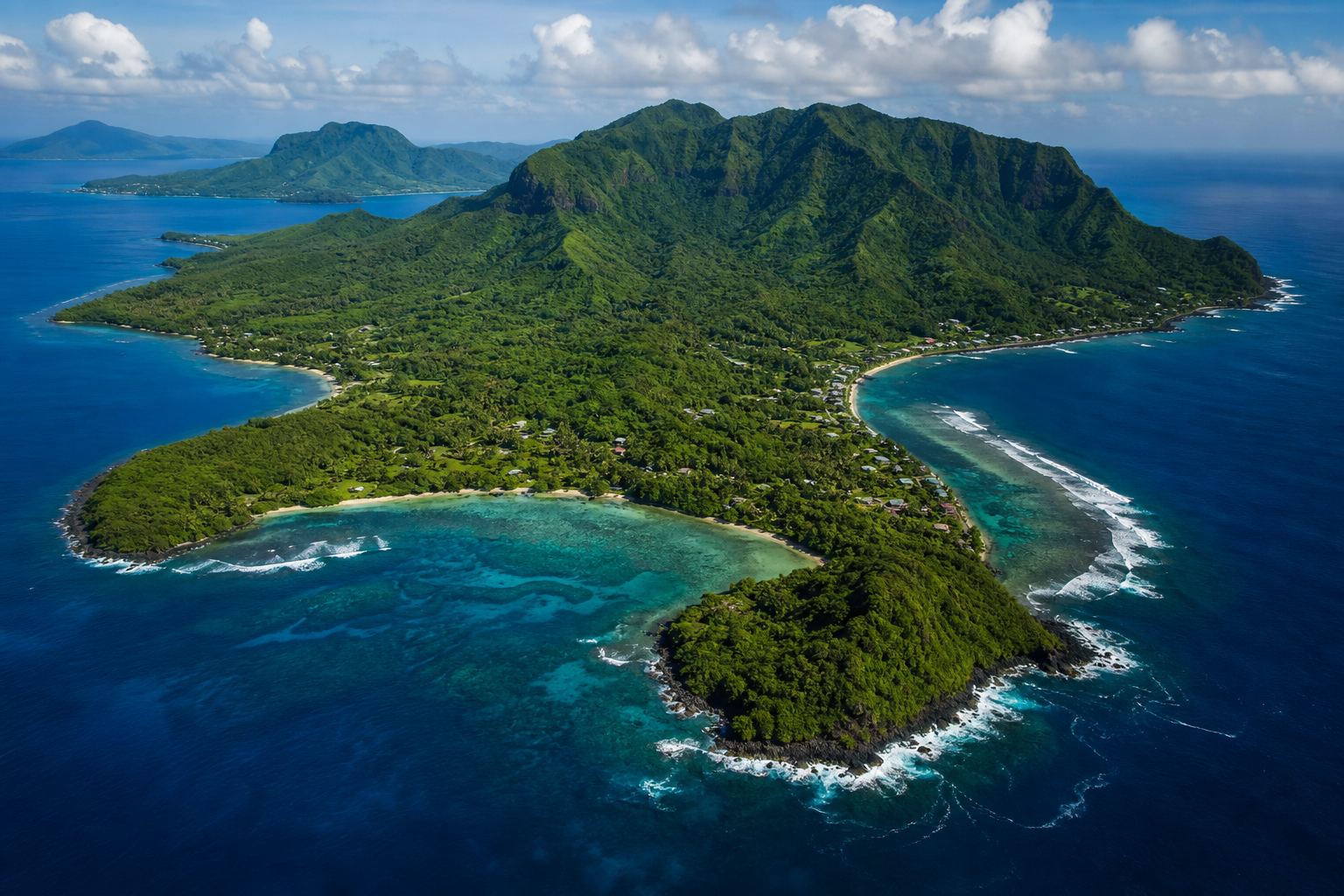
    Christopher Columbus landed in Cuba on October 28, 1492, during his first voyage to the New World. This marked the beginning of European colonization in Cuba, which would have lasting impacts on its indigenous populations and culture. This event is a significant starting point in the Short timeline of Cuba.
  2. 1511

    First Spanish Settlement Established

    The first Spanish settlement, Baracoa, was established in Cuba by Diego Velázquez de Cuéllar. This event initiated the Spanish colonization process, leading to the exploitation of Cuba's resources and the importation of African slaves, which played a crucial role in shaping the island's demographic and cultural landscape, a key aspect of the Short timeline of Cuba.
  3. 1868

    First War of Independence Begins

    The Ten Years' War, Cuba's first war for independence from Spain, began in 1868. Led by Carlos Manuel de Céspedes, this conflict marked the start of a series of struggles for Cuban sovereignty, which is a pivotal moment in the Short timeline of Cuba.
  4. 1898

    Spanish-American War and Cuban Independence

    The Spanish-American War culminated in 1898, leading to the end of Spanish colonial rule in Cuba. The Treaty of Paris ceded control of Cuba to the United States, marking a significant turning point in the Short timeline of Cuba as it transitioned towards American influence.
  5. 1902

    Cuba Gains Formal Independence

    Cuba formally gained independence from the United States on May 20, 1902, although American influence persisted through the Platt Amendment. This event represents a critical milestone in the Short timeline of Cuba, establishing its status as a sovereign nation.
  6. 1953

    Fidel Castro's Attack on Moncada Barracks

    On July 26, 1953, Fidel Castro led an attack on the Moncada Barracks in Santiago de Cuba, marking the beginning of the Cuban Revolution. This event is a cornerstone in the Short timeline of Cuba, as it galvanized opposition against the Batista regime and inspired a movement for change.
  7. 1959

    Cuban Revolution Triumphs

    The Cuban Revolution succeeded on January 1, 1959, when Fidel Castro's forces overthrew the Batista government. This victory transformed Cuba into a socialist state and significantly altered its political landscape, making it a pivotal moment in the Short timeline of Cuba.
  8. 1961

    Bay of Pigs Invasion

    In April 1961, the failed Bay of Pigs Invasion, an attempt by U.S.-backed Cuban exiles to overthrow Castro, occurred. This event heightened tensions between Cuba and the United States and is a significant episode in the Short timeline of Cuba, illustrating the Cold War dynamics in the region.
  9. 1962

    Cuban Missile Crisis

    The Cuban Missile Crisis in October 1962 brought the world to the brink of nuclear war as the U.S. discovered Soviet missiles in Cuba. This 13-day confrontation is a crucial event in the Short timeline of Cuba, showcasing the island's strategic importance during the Cold War.
  10. 1980

    Mariel Boatlift

    In April 1980, the Mariel Boatlift allowed thousands of Cubans to emigrate to the United States. This mass exodus highlighted the economic difficulties in Cuba and is a significant event in the Short timeline of Cuba, reflecting the social challenges faced by the nation.
  11. 1991

    Fall of the Soviet Union and Economic Crisis

    The collapse of the Soviet Union in 1991 led to a severe economic crisis in Cuba, known as the "Special Period." This marked a significant shift in the Short timeline of Cuba, as the country faced hardships and began to explore economic reforms and openings to foreign investment.
  12. 2008

    Raúl Castro Takes Office

    Raúl Castro officially took over as President of Cuba in February 2008, initiating a series of economic reforms aimed at modernizing the Cuban economy. This transition is an important chapter in the Short timeline of Cuba, reflecting a shift towards more pragmatic governance.
  13. 2015

    Restoration of U.S.-Cuba Relations

    In December 2014, the U.S. and Cuba announced the restoration of diplomatic relations, officially reestablishing embassies in 2015. This landmark event in the Short timeline of Cuba marked a significant thaw in relations after decades of hostility.
  14. 2021

    Widespread Protests Erupt Across Cuba

    In July 2021, widespread protests erupted in Cuba against the government, driven by economic grievances and demands for greater freedoms. This event represents a critical moment in the Short timeline of Cuba, highlighting ongoing social and political tensions within the country.
  15. 2024

    Ongoing Economic Reforms and Challenges

    As of 2024, Cuba continues to navigate economic reforms while facing challenges such as inflation and limited access to goods. The ongoing evolution of Cuba's economy is a significant aspect of the Short timeline of Cuba, reflecting the nation's resilience and adaptability in a changing global landscape.

Regeneration always requests fresh AI content and uses 1 query.

Download History Timeline