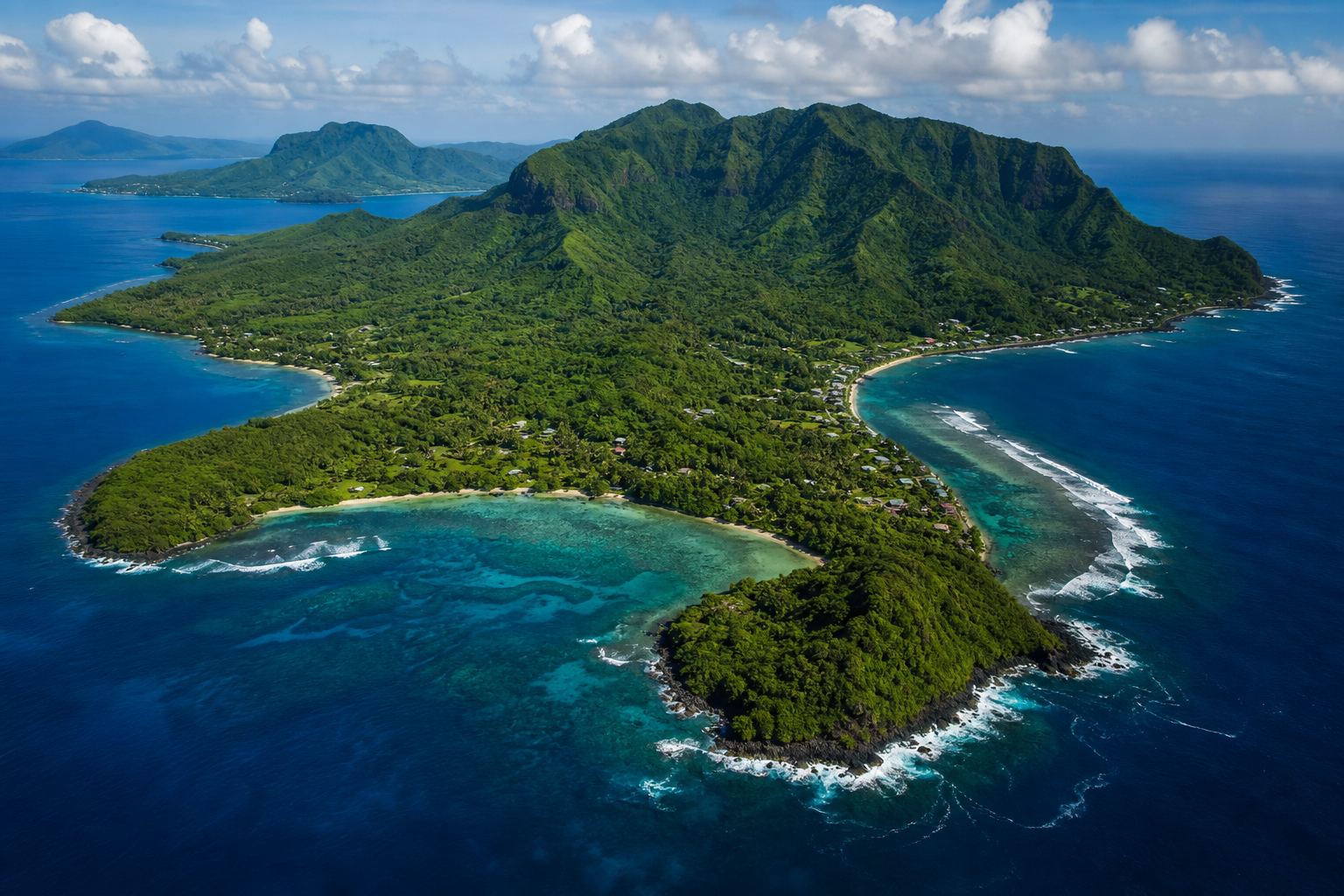
La historia colombiana, or the history of Colombia, is a rich tapestry woven from the threads of indigenous cultures, Spanish colonization, independence movements, and modern developments. Spanning thousands of years, it reflects the diverse influences that have shaped the nation. From pre-Columbian civilizations to contemporary political challenges, the evolution of Colombia is marked by significant events, notable figures, and cultural milestones. Understanding la historia colombiana is essential for grasping the complexities of its society and the ongoing journey towards peace and prosperity. This timeline highlights key moments in Colombian history, illustrating the nation's growth and transformation over the centuries.
Creation Time:2025-03-1314 key nodesEnglish
The Timeline
Pre-1492 — 2024
Pre-1492
Indigenous Civilizations
Before the arrival of the Spanish, Colombia was home to various indigenous groups, including the Muisca, Tairona, and Quimbaya. These civilizations developed complex societies with rich traditions, agriculture, and trade networks, laying the cultural foundations of la historia colombiana.
1499
Spanish Arrival
The first Spanish expedition led by Rodrigo de Bastidas reached the Colombian coast in 1499, marking the beginning of European colonization. This event initiated profound changes in the region, setting the stage for the complex interactions between indigenous peoples and European settlers that would define much of la historia colombiana.
1536
Foundation of Santa Fé de Bogotá
In 1536, Gonzalo Jiménez de Quesada founded Santa Fé de Bogotá, which would become the capital of the Viceroyalty of New Granada. This establishment marked a significant moment in la historia colombiana, as it facilitated the consolidation of Spanish power in the region and the spread of Christianity.
1810
Independence Movement Begins
The movement for independence from Spanish rule began in 1810, fueled by Enlightenment ideals and local discontent. This period marked a critical turning point in la historia colombiana, leading to a series of battles and the eventual establishment of a republic.
1819
Battle of Boyacá
The Battle of Boyacá on August 7, 1819, was a decisive victory for the revolutionary forces led by Simón Bolívar. This victory is celebrated as a pivotal moment in la historia colombiana, leading to the liberation of Colombia from Spanish rule and the formation of Gran Colombia.
1830
Dissolution of Gran Colombia
In 1830, Gran Colombia dissolved into separate nations, including Colombia, Venezuela, Ecuador, and Panama. This fragmentation marked a new chapter in la historia colombiana, as the country sought to establish its identity and governance structures independently.
1903
Panama's Independence and Loss for Colombia
In 1903, Panama declared independence from Colombia with the support of the United States. This event had significant implications for la historia colombiana, leading to a loss of territory and impacting Colombia's economic and political landscape for years to come.
1948
The Bogotazo and La Violencia
The assassination of Jorge Eliécer Gaitán in 1948 triggered riots known as the Bogotazo, leading to a period of civil unrest and violence known as La Violencia. This era profoundly influenced la historia colombiana, resulting in widespread conflict and political instability.
1964
Emergence of Guerrilla Movements
The establishment of the Revolutionary Armed Forces of Colombia (FARC) in 1964 marked the beginning of armed conflict in rural areas, which would evolve into a decades-long struggle affecting the social fabric of la historia colombiana and leading to significant human rights violations.
1991
New Constitution of Colombia
In 1991, Colombia adopted a new constitution that aimed to address social issues and promote human rights. This constitutional reform was a critical moment in la historia colombiana, reflecting a commitment to democratic governance and social justice amidst ongoing conflict.
2016
Peace Agreement with FARC
In 2016, the Colombian government signed a historic peace agreement with the FARC, marking a significant step toward ending decades of armed conflict. This agreement is a landmark moment in la historia colombiana, aiming to foster reconciliation and rebuild the nation.
2018
Election of Iván Duque
Iván Duque was elected president in 2018, bringing new challenges and perspectives to the ongoing peace process. His administration's approach to implementing the peace deal is a critical aspect of la historia colombiana as the country navigates post-conflict realities.
2020
COVID-19 Pandemic Impact
The COVID-19 pandemic significantly affected Colombia in 2020, exacerbating existing social and economic issues. The pandemic's impact on public health and the economy is a crucial chapter in la historia colombiana, highlighting vulnerabilities and resilience in the face of crisis.
2024
Ongoing Challenges and Progress
As of 2024, Colombia continues to face challenges such as drug trafficking, social inequality, and political polarization. However, efforts toward peace, social reform, and economic development remain central themes in la historia colombiana, shaping the future of the nation and its people.
Regeneration always requests fresh AI content and uses 1 query.