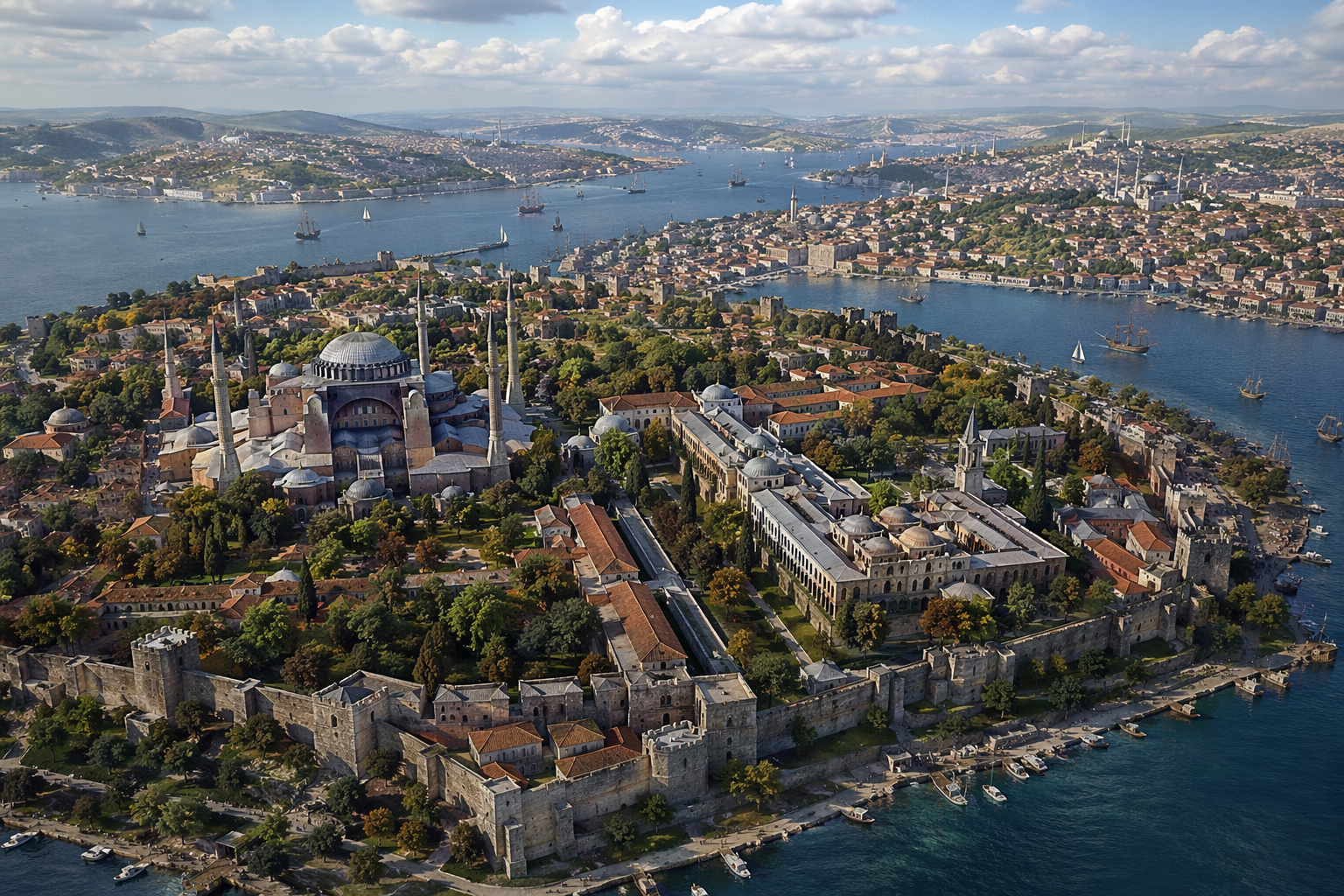
Ancient history refers to the period of human history that spans from the earliest recorded events to the early Middle Ages. It encompasses the rise and fall of civilizations, the development of writing, and the establishment of complex societies. Key civilizations such as Mesopotamia, Ancient Egypt, the Indus Valley, and Ancient Greece contributed significantly to human knowledge, culture, and governance. Understanding Ancient history is crucial for grasping the foundations of modern society, as many concepts in law, politics, and philosophy originated during this time. The study of Ancient history allows us to appreciate the achievements and lessons of our ancestors, shaping our understanding of contemporary issues.
Creation Time:2025-06-1314 key nodesEnglish
The Timeline
History Timeline and Biographies
Emergence of Writing in Mesopotamia
The development of cuneiform writing in Mesopotamia marks one of the earliest forms of recorded communication, enabling the administration of complex societies and the preservation of cultural knowledge, crucial to the study of Ancient history.
Unification of Upper and Lower Egypt
King Narmer (also known as Menes) is credited with unifying Upper and Lower Egypt, establishing the First Dynasty and laying the foundations for Ancient Egyptian civilization, which would dominate Ancient history for millennia.
Construction of the Great Pyramid of Giza
The Great Pyramid of Giza, built during the Fourth Dynasty, is one of the most iconic symbols of Ancient history, showcasing the architectural prowess and the socio-political organization of Ancient Egypt.
Rise of the Indus Valley Civilization
The Indus Valley Civilization emerges as one of the world's earliest urban cultures, known for its advanced city planning, drainage systems, and trade networks, contributing to the rich tapestry of Ancient history.
The Vedic Period in India Begins
The Vedic period marks the composition of the Vedas, the oldest sacred texts of Hinduism, influencing Indian culture and society, and playing a significant role in Ancient history.
The Trojan War and the Rise of Mycenaean Greece
The legendary Trojan War, as recounted in Homer's epics, reflects the complexities of Mycenaean society and trade, significantly impacting Greek mythology and the understanding of Ancient history.
Formation of the Greek City-States
The emergence of city-states like Athens and Sparta represents a pivotal moment in Ancient history, leading to developments in governance, philosophy, and the arts that still resonate today.
Establishment of the Roman Republic
The overthrow of the last king of Rome and the establishment of the Roman Republic marked a significant shift in governance, influencing political structures in Ancient history and beyond.
Alexander the Great's Conquests
Alexander the Great's campaigns spread Hellenistic culture across three continents, significantly impacting the course of Ancient history and the interactions between East and West.
The Rise of the Roman Empire
The transition from Republic to Empire under Augustus marks a defining moment in Ancient history, establishing a system of governance that would endure for centuries and influence future empires.
Birth of Jesus Christ
The birth of Jesus Christ, a pivotal figure in Christianity, marks a significant moment in Ancient history, leading to profound cultural and religious transformations across the Roman Empire and beyond.
Edict of Milan and the Rise of Christianity
The Edict of Milan, issued by Constantine, legalized Christianity, marking a crucial turning point in Ancient history that would lead to its establishment as a dominant religion in Europe.
Fall of the Western Roman Empire
The fall of the Western Roman Empire in 476 CE marks the end of Ancient history in the West and the beginning of the Middle Ages, significantly altering the political landscape of Europe.
Fall of Constantinople and the End of Ancient History
The fall of Constantinople to the Ottoman Empire in 1453 is often regarded as the end of Ancient history, marking the transition into the Renaissance and the modern era, reshaping Europe and the Mediterranean world.
Regeneration always requests fresh AI content and uses 1 query.