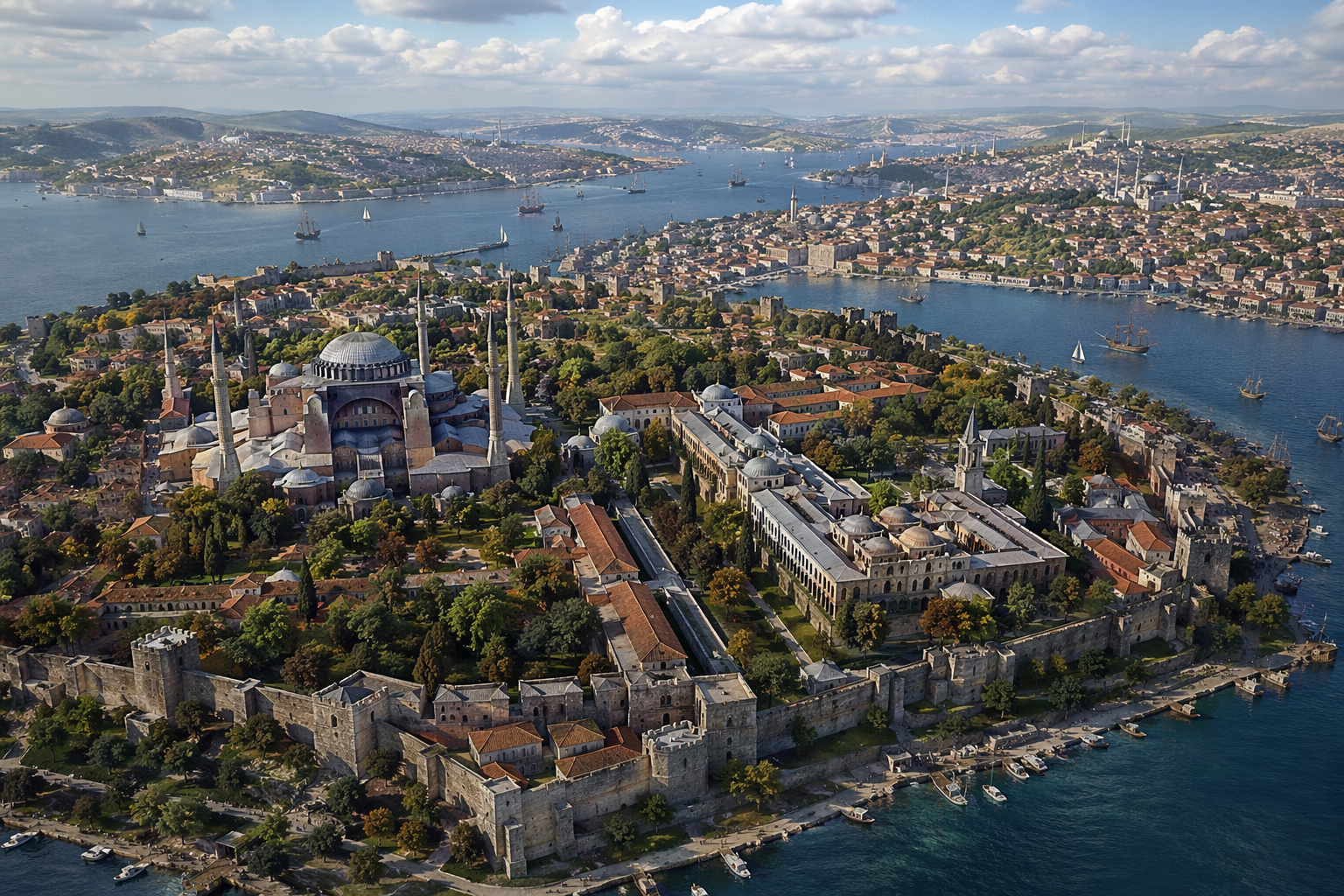
The history architecture timeline chronicles the evolution of architectural styles, techniques, and practices throughout human history. This timeline highlights significant milestones, influential figures, and transformative movements that have shaped the built environment. From ancient structures to modern innovations, the history architecture timeline serves as a comprehensive overview of how architecture reflects cultural, technological, and societal changes over time. Understanding this timeline is crucial for appreciating the architectural heritage that informs contemporary design practices and urban planning.
Creation Time:2026-02-0413 key nodesEnglish
The Timeline
History Timeline and Biographies
The Birth of Architecture in Ancient Egypt
Around 3000 BC, the ancient Egyptians began constructing monumental structures, including the iconic pyramids. This marked the beginning of organized architecture, characterized by the use of stone and advanced engineering techniques in the history architecture timeline.
The Introduction of Classical Architecture in Greece
By 600 BC, Greek architecture began to flourish, introducing the Doric, Ionic, and Corinthian orders. This period significantly influenced Western architecture and is a pivotal moment in the history architecture timeline.
Roman Architectural Innovations
The establishment of the Roman Empire in 27 BC saw the development of new architectural techniques, such as the arch and concrete construction, leading to iconic structures like the Colosseum. This era is crucial in the history architecture timeline for its engineering advancements.
The Fall of the Western Roman Empire and the Rise of Byzantine Architecture
With the fall of the Western Roman Empire in 476 AD, Byzantine architecture emerged, characterized by domes and mosaics, influencing the history architecture timeline significantly during the Middle Ages.
Carolingian Renaissance and Architectural Revival
The Carolingian Renaissance around 800 AD marked a revival of classical architecture in Western Europe, leading to the construction of palaces and churches that would shape the history architecture timeline for centuries to come.
The Gothic Architecture Movement Begins
Starting in the 12th century, Gothic architecture emerged in France, characterized by pointed arches, ribbed vaults, and flying buttresses, marking a significant chapter in the history architecture timeline.
Renaissance Architecture: A Return to Classical Ideals
The Renaissance period, beginning around 1400 AD, saw architects like Brunelleschi and Michelangelo revive classical principles, significantly impacting the history architecture timeline with structures like St. Peter's Basilica.
The Birth of Neoclassicism
By 1750, Neoclassical architecture emerged as a reaction to Baroque excess, emphasizing simplicity and symmetry, and became a defining style in the history architecture timeline of the 18th century.
The Industrial Revolution and Architectural Modernism
The Industrial Revolution in the mid-19th century introduced new materials like steel and glass, leading to modernism in architecture, which transformed the history architecture timeline and urban landscapes worldwide.
The Rise of the International Style
The 1920s saw the emergence of the International Style, characterized by minimalism and functionalism, greatly influencing the history architecture timeline and modern design principles.
Postmodern Architecture: A Reaction to Modernism
In the 1970s, postmodern architecture emerged as a reaction against the austerity of modernism, incorporating eclectic styles and historical references, marking a significant evolution in the history architecture timeline.
Sustainable Architecture Gains Prominence
By the turn of the millennium, sustainable architecture began to gain traction, emphasizing eco-friendly materials and energy-efficient designs, reshaping the history architecture timeline for the 21st century.
Digital Architecture and Smart Cities
In 2020, advancements in technology led to the rise of digital architecture and the concept of smart cities, integrating technology into urban design. This marks a new chapter in the history architecture timeline, focusing on innovation and sustainability.
Regeneration always requests fresh AI content and uses 1 query.