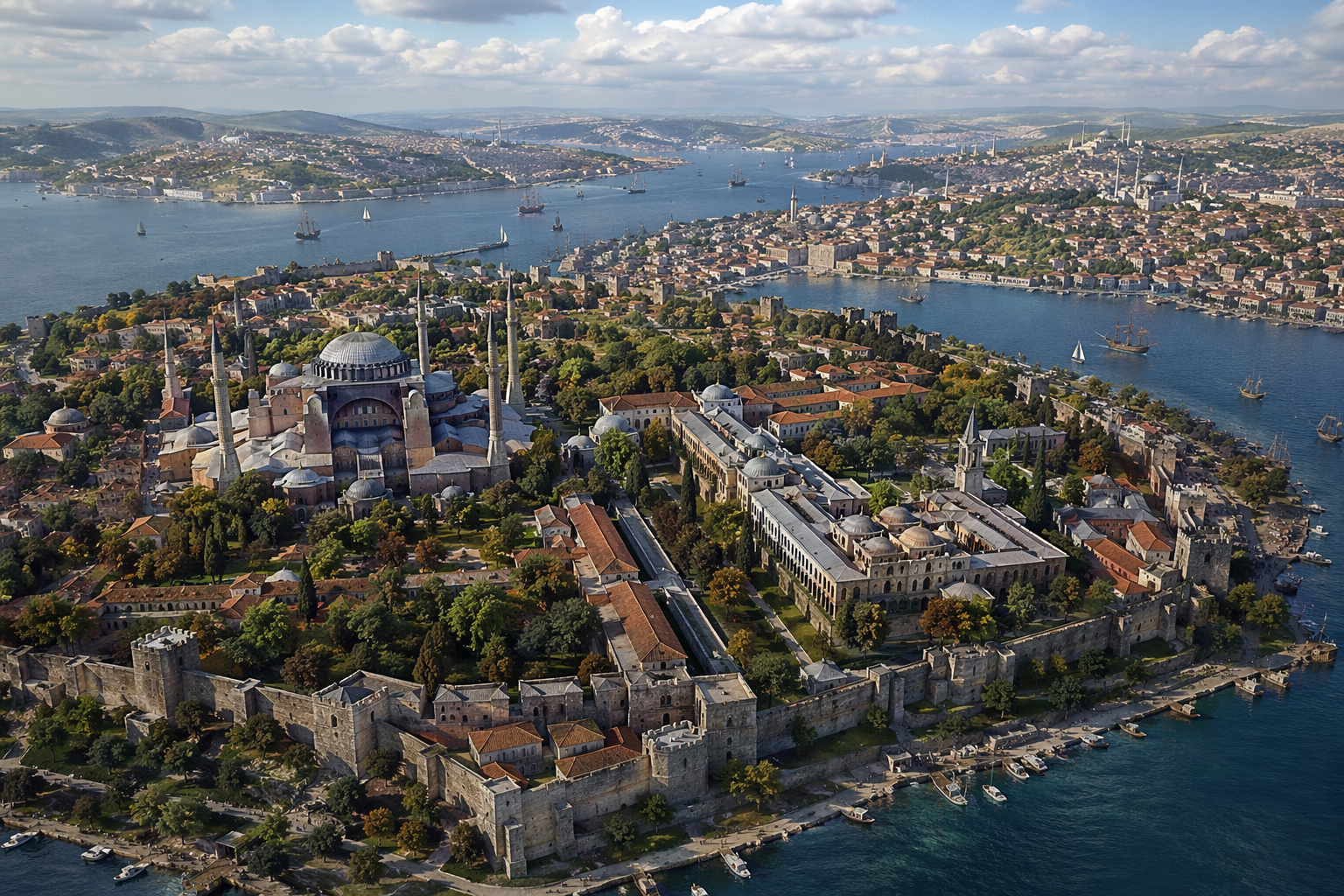
timeline of the events in Iran History Timeline and Biographies

The timeline of the events in Iran documents a rich and complex history marked by profound social, political, and cultural transformations. From ancient civilizations to the modern Islamic Republic, Iran's journey has been shaped by various significant milestones. This chronology highlights critical events that have influenced not only Iran's national identity but also its role on the global stage, reflecting the intricacies of its historical progress. The timeline of the events in Iran serves as an essential guide to understanding the country's past and its contemporary issues.

Creation Time:2026-02-05

Cyrus the Great and the Achaemenid Empire

Cyrus the Great established the Achaemenid Empire, which became one of the largest empires in history, marking the beginning of Persian influence across vast territories.

Islamic Conquest of Persia

The Islamic conquest led to the fall of the Sasanian Empire, introducing Islam to the region and transforming Persian culture and society significantly.

Establishment of the Safavid Dynasty

Shah Ismail I founded the Safavid Dynasty, which established Twelver Shi'a Islam as the state religion and led to the rise of a unified Iranian identity.

Qajar Dynasty Begins

The Qajar Dynasty took control of Iran, overseeing a period of internal strife and external pressures, including significant encounters with colonial powers.

This revolution led to the establishment of Iran's first constitution in 1906, marking the beginning of a constitutional monarchy and greater democratic reforms.

Rise of Reza Shah Pahlavi

Reza Khan, who later became Reza Shah Pahlavi, seized power, initiating significant modernization reforms and centralizing government authority.

1953 Iranian Coup d'état

A CIA-led coup ousted Prime Minister Mohammad Mossadegh, reinstating the Shah and further entrenching Western influence in Iran.

The revolution culminated in the overthrow of the Shah, establishing the Islamic Republic led by Ayatollah Khomeini, fundamentally altering Iran's political and social landscape.

A devastating eight-year war with Iraq led to massive casualties and economic hardship, profoundly influencing Iran's national psyche and military policy.

Khatami's election marked a reformist era, emphasizing civil liberties, detente with the West, and greater engagement in world affairs.

Ahmadinejad's presidency marked a shift to more hardline policies and increased tensions with the West, particularly concerning nuclear developments.

Widespread protests erupted following allegations of election fraud, leading to a significant civil unrest known as the Green Movement.

Iran reached a landmark agreement with world powers to limit its nuclear program in exchange for relief from economic sanctions, significantly impacting its international relations.

The U.S. drone strike that killed Iranian General Qasem Soleimani escalated tensions between Iran and the United States, impacting regional dynamics and Iran’s strategic calculations.

The death of Mahsa Amini while in custody for violating hijab laws sparked widespread protests across Iran, challenging government authority and calling for women's rights and social freedoms.
Download History Timeline
Copyright © 2024 History-timeline.net