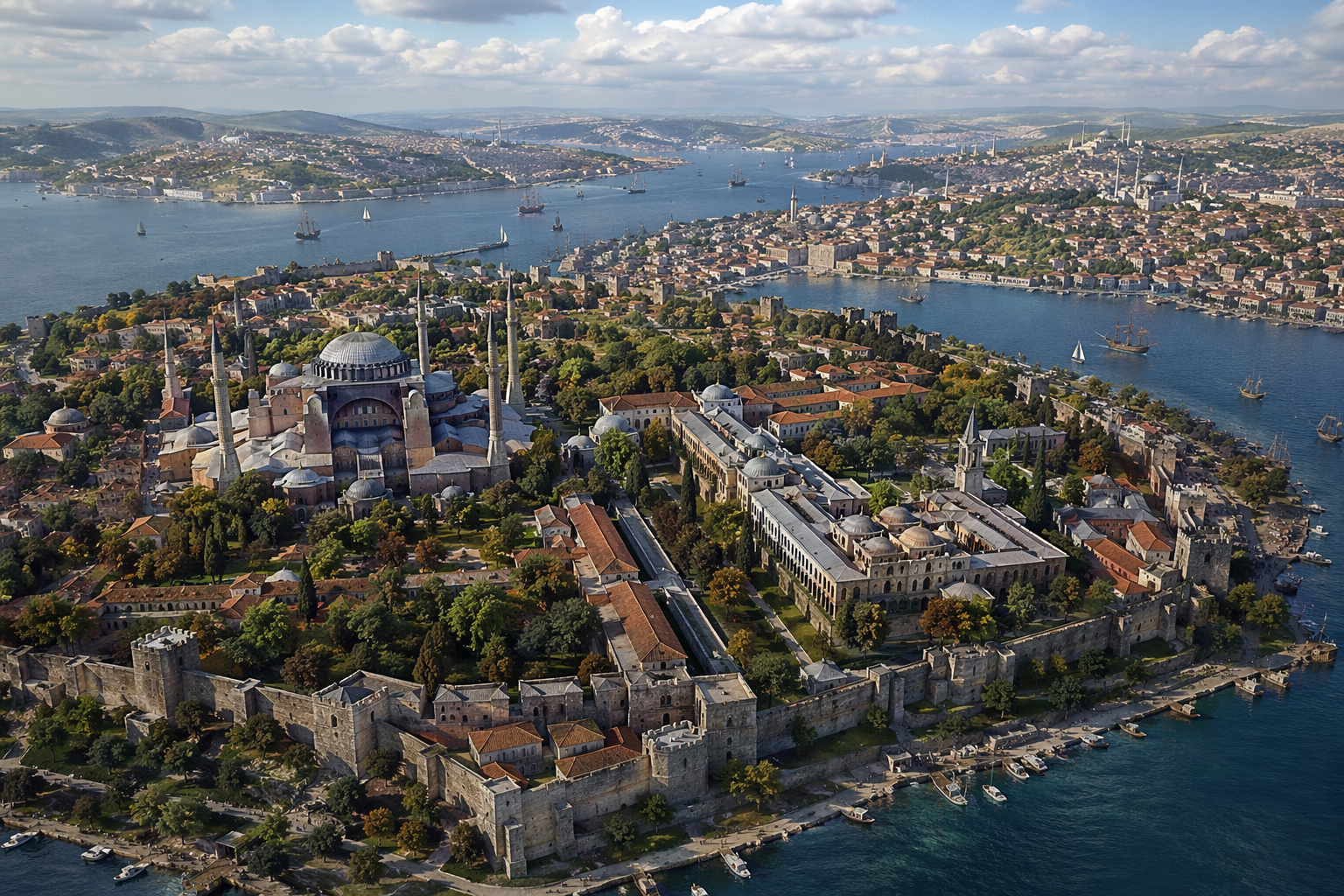
The timeline of everything chronicles significant events, developments, and milestones in human history across various fields. It serves as an extensive record of advancements in technology, culture, and society, offering insights into how these events interconnect to shape our world today. This timeline highlights key occurrences that have influenced the evolution of human civilization, showcasing the progress of nations, organizations, and ideas from ancient times to the present day. By understanding this timeline of everything, we can better appreciate the complexity and richness of our shared human experience.
Creation Time:2026-04-0415 key nodesEnglish
The Timeline
History Timeline and Biographies
The Invention of Writing
Around 3500 BC, the Sumerians in Mesopotamia developed cuneiform writing, marking the beginning of recorded history. This invention allowed for the documentation of transactions, laws, and stories, paving the way for complex societies and governance.
Construction of the Great Pyramid of Giza
The Great Pyramid of Giza was completed around 2560 BC as a tomb for Pharaoh Khufu. As one of the Seven Wonders of the Ancient World, it symbolizes the architectural prowess and organizational skills of ancient Egypt, influencing subsequent monumental architecture.
The First Olympic Games
The first recorded Olympic Games took place in 776 BC in Olympia, Greece. These games celebrated physical excellence and competition, evolving into a symbol of unity and peace among the Greek city-states and becoming a cornerstone of Western culture.
Assassination of Julius Caesar
Julius Caesar, a pivotal figure in the transition from Roman Republic to Imperial Rome, was assassinated on the Ides of March, 44 BC. His death led to a series of civil wars, ultimately culminating in the establishment of the Roman Empire.
Fall of the Western Roman Empire
The Western Roman Empire officially fell in 476 AD when the last emperor, Romulus Augustulus, was deposed. This event marked the end of ancient Rome and the beginning of the Middle Ages in Europe, setting the stage for the future development of European nations.
Magna Carta Signed
In 1215, King John of England signed the Magna Carta, a landmark document establishing the principle that everyone, including the monarch, is subject to the law. This laid the groundwork for modern democracy and the protection of individual rights.
Columbus Discovers America
In 1492, Christopher Columbus landed in the Americas, marking the beginning of European exploration and colonization in the New World. This event significantly altered global trade, culture, and demographics, impacting indigenous populations and world history.
American Declaration of Independence
On July 4, 1776, the American colonies declared independence from British rule. This pivotal moment in the timeline of everything influenced revolutionary movements worldwide and inspired democratic ideals and political reforms across nations.
French Revolution Begins
The French Revolution began in 1789, leading to the overthrow of the monarchy and establishment of a republic. This revolution significantly impacted political ideologies and movements, transforming France and influencing the wider world with concepts of liberty, equality, and fraternity.
Abolition of Slavery in the U.S.
The United States abolished slavery in 1865 with the ratification of the 13th Amendment. This monumental event was a crucial step toward civil rights and social justice in America, reshaping the nation’s societal structure and future.
Moon Landing
On July 20, 1969, NASA's Apollo 11 mission successfully landed humans on the moon, making Neil Armstrong and Buzz Aldrin the first and second humans to walk on its surface. This event represented a significant achievement in space exploration and technology, inspiring future scientific endeavors.
Fall of the Berlin Wall
The Berlin Wall fell on November 9, 1989, symbolizing the end of the Cold War and the division between East and West. This event facilitated the reunification of Germany and triggered political changes across Eastern Europe, impacting global politics.
Y2K and the Digital Age
As the year 2000 approached, concerns about the Y2K bug prompted worldwide attention on technology's potential failures. This event highlighted the growing role of technology in society, leading to advancements in the digital age, particularly in internet connectivity and computing.
COVID-19 Pandemic
The COVID-19 pandemic began in late 2019 and accelerated in 2020, leading to global health crises and profound changes in everyday life, economies, and social interactions. This marked a pivotal moment in the timeline of everything, emphasizing public health and global cooperation.
Advancements in Artificial Intelligence
By 2024, artificial intelligence technologies have significantly advanced, transforming industries and daily life. This development is altering the workforce, enhancing productivity, and raising ethical questions about technology's role in society, marking a critical phase in the timeline of everything.
Regeneration always requests fresh AI content and uses 1 query.