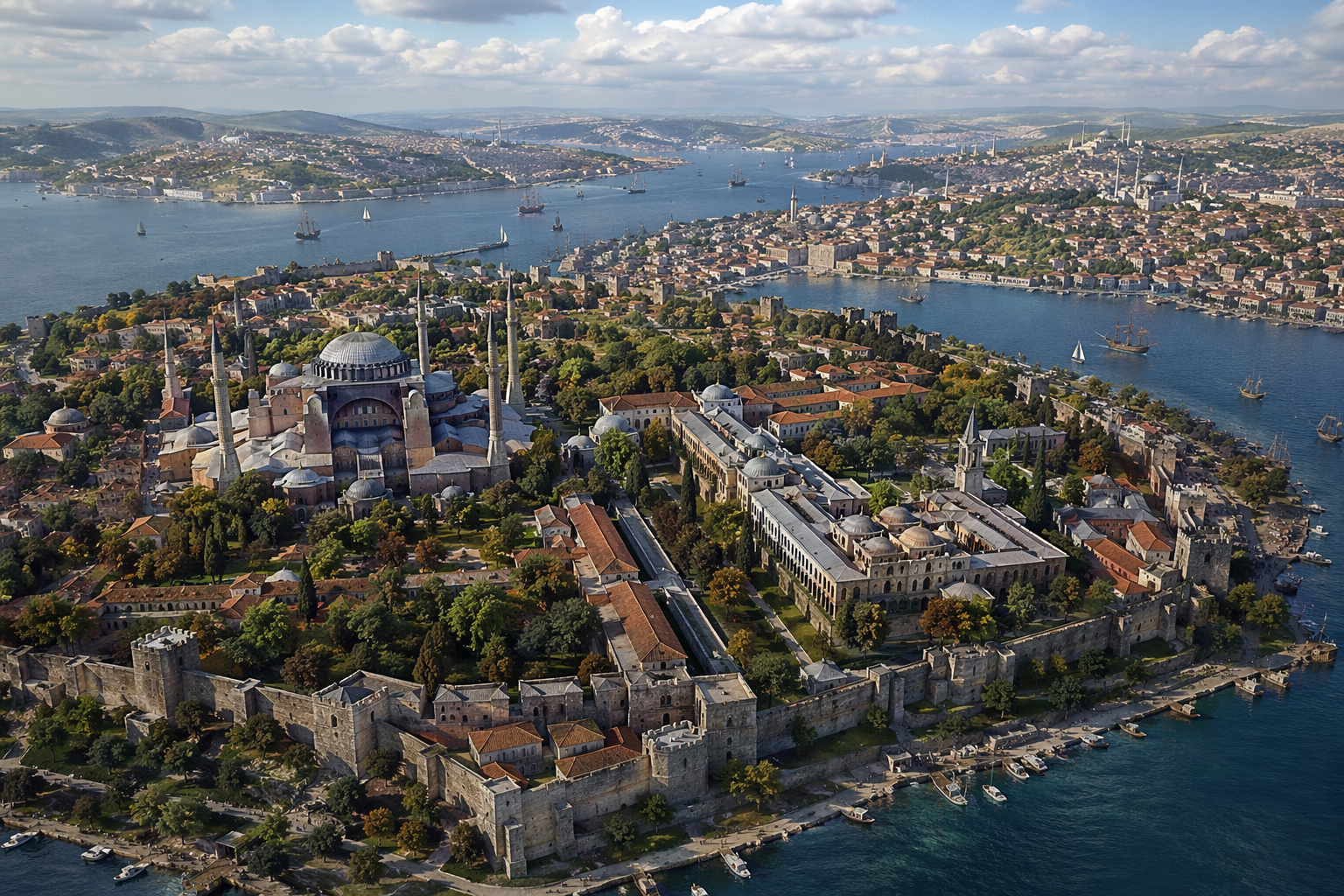
La primera guerra mundial, known as World War I, was a global conflict that lasted from 1914 to 1918. It involved many of the world's great powers, split into two opposing alliances: the Allies and the Central Powers. The war was characterized by trench warfare, significant loss of life, and major political changes. Its aftermath led to the Treaty of Versailles, redrawing of national borders, and set the stage for future conflicts, including World War II. The historical significance of La primera guerra mundial continues to be studied and remembered for its profound impact on the 20th century.
Creation Time:2026-04-1313 key nodesEnglish
The Timeline
History Timeline and Biographies
The Assassination of Archduke Franz Ferdinand
On June 28, 1914, Archduke Franz Ferdinand of Austria was assassinated in Sarajevo, Bosnia. This event is widely considered the spark that ignited La primera guerra mundial, as it set off a chain reaction of alliances and hostilities among European powers.
Austria-Hungary Declares War on Serbia
On July 28, 1914, Austria-Hungary declared war on Serbia, marking the official beginning of La primera guerra mundial. This declaration followed Serbia's refusal to comply with demands stemming from the assassination of Franz Ferdinand.
Germany Declares War on Russia and France
In early August 1914, Germany declared war on Russia (August 1) and France (August 3), further escalating the conflict of La primera guerra mundial as alliances were activated and military mobilizations began in earnest.
The Battle of the Marne
From September 6 to September 12, 1914, the First Battle of the Marne took place, resulting in a significant Allied victory. This battle halted the German advance into France and marked the beginning of trench warfare, a defining characteristic of La primera guerra mundial.
The Gallipoli Campaign
In April 1915, Allied forces launched the Gallipoli Campaign to open a new front against the Ottoman Empire. The campaign ultimately failed, resulting in heavy casualties and demonstrating the challenges faced during La primera guerra mundial.
The Battle of the Somme
The Battle of the Somme began on July 1, 1916, and lasted until November 18, 1916. It was one of the largest battles of La primera guerra mundial, with over one million casualties. The battle is remembered for its staggering loss of life and the introduction of the tank as a new weapon of war.
The United States Enters the War
On April 6, 1917, the United States declared war on Germany, joining the Allies in La primera guerra mundial. This entry provided a significant boost to Allied morale and resources, shifting the balance of power in the conflict.
The Russian Revolution
In 1917, the Russian Revolution led to the abdication of Tsar Nicholas II and the eventual withdrawal of Russia from La primera guerra mundial. The Bolshevik government signed the Treaty of Brest-Litovsk with Germany in 1918, marking a significant turning point in the war.
The Hundred Days Offensive
Beginning in August 1918, the Hundred Days Offensive was a series of Allied attacks that ultimately led to the defeat of the Central Powers. This campaign was crucial in bringing an end to La primera guerra mundial.
Armistice Signed
On November 11, 1918, an armistice was signed, effectively ending the fighting in La primera guerra mundial. This agreement marked the cessation of hostilities on the Western Front and led to the eventual peace negotiations.
The Treaty of Versailles
On June 28, 1919, the Treaty of Versailles was signed, officially ending La primera guerra mundial. The treaty imposed heavy reparations and territorial losses on Germany, reshaping the political landscape of Europe and sowing the seeds for future conflicts.
The League of Nations Established
In 1920, the League of Nations was established as part of the Treaty of Versailles to promote peace and prevent future wars. Although it ultimately failed to prevent World War II, it was a significant step in international diplomacy following La primera guerra mundial.
The Legacy of La primera guerra mundial and World War II
The unresolved issues and political tensions stemming from La primera guerra mundial contributed to the outbreak of World War II in 1939. The war's legacy continues to influence global politics and military strategy to this day.
Regeneration always requests fresh AI content and uses 1 query.