arquitectura History Timeline and Biographies

Arquitectura, or architecture, is the art and science of designing and constructing buildings and other physical structures. It encompasses a wide range of styles, techniques, and cultural influences throughout history. From ancient civilizations to modern innovations, arquitectura reflects the social, economic, and technological advancements of its time. This timeline traces the development of arquitectura, highlighting key moments that have shaped its evolution and significance in human history.

Creation Time:2026-05-05

Early Architectural Practices in Mesopotamia

The earliest known architecture began in Mesopotamia with the construction of ziggurats, which were massive structures built for religious purposes. These early examples of arquitectura showcased the use of mud bricks and intricate designs, influencing future architectural styles.


The Pyramids of Giza

The construction of the Pyramids of Giza marked a significant achievement in ancient Egyptian arquitectura. These monumental structures demonstrated advanced engineering techniques and served as tombs for pharaohs, reflecting the civilization's beliefs in the afterlife.

Classical Greek Architecture

The emergence of classical Greek architecture introduced iconic styles such as Doric, Ionic, and Corinthian columns. This period emphasized symmetry, proportion, and the use of marble, influencing Western arquitectura for centuries to come.

Roman Architecture and Engineering

The Romans advanced arquitectura with innovations like the arch, vault, and concrete. Structures such as the Colosseum and aqueducts exemplified their engineering prowess and contributed to urban development across the empire.

Byzantine Architecture

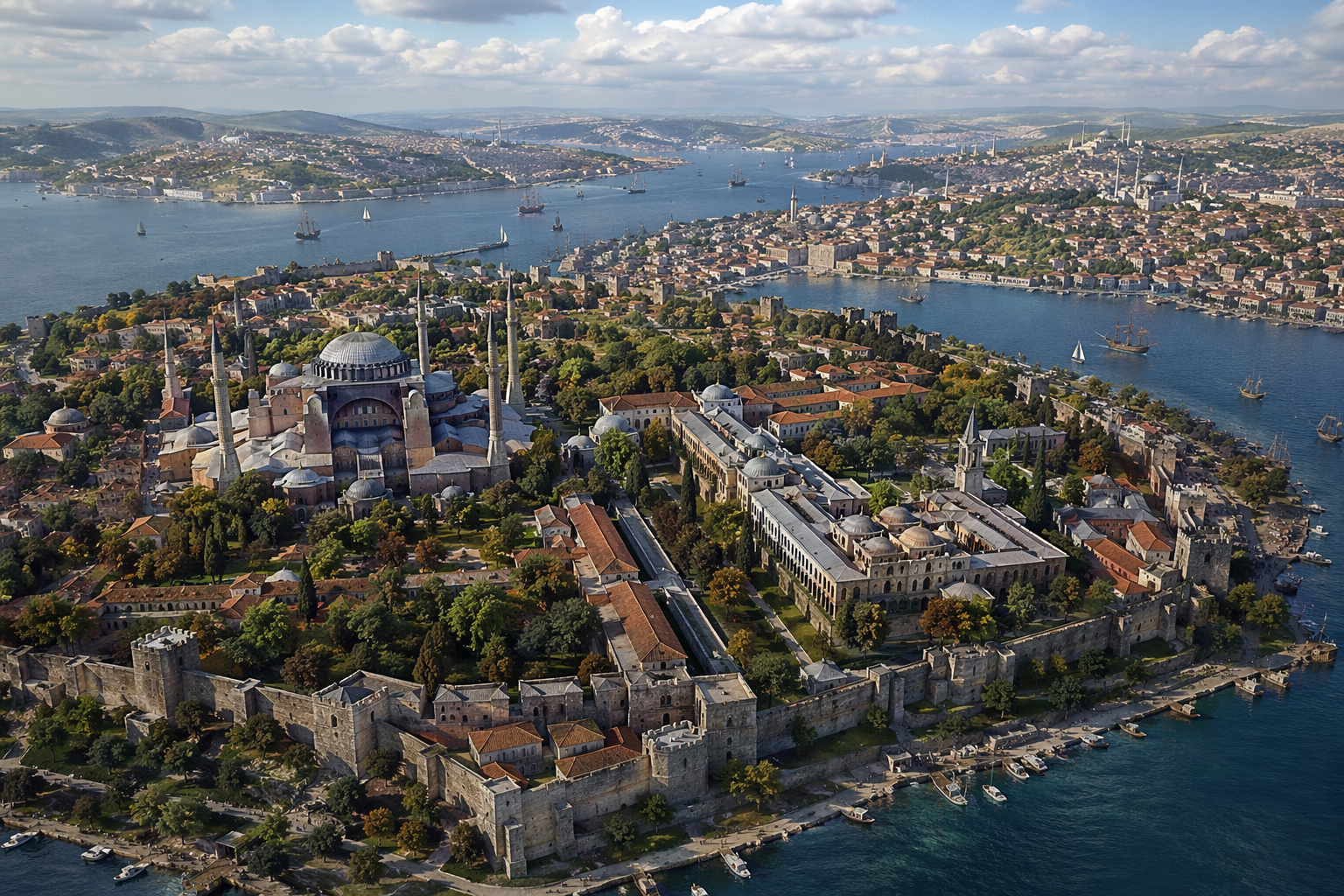
Byzantine architecture emerged as a distinct style characterized by large domes and intricate mosaics. The Hagia Sophia in Constantinople is a prime example, showcasing the blend of religious significance and architectural innovation in this period.

Gothic Architecture in Europe

Gothic architecture flourished in Europe, marked by pointed arches, ribbed vaults, and flying buttresses. Cathedrals like Notre-Dame de Paris exemplified the grandeur of this style, which aimed to reach towards the heavens and create awe-inspiring spaces.

Renaissance Architecture

The Renaissance brought a revival of classical ideas in arquitectura, emphasizing harmony, symmetry, and proportion. Architects like Filippo Brunelleschi and Andrea Palladio played pivotal roles in this movement, influencing modern architectural principles.

Baroque Architecture

Baroque architecture emerged with dramatic expressions and grandeur, characterized by elaborate details and bold forms. This style was used in many churches and palaces, emphasizing the power of the church and the monarchy in society.

Industrial Revolution and Architecture

The Industrial Revolution transformed arquitectura with new materials like iron and glass. This period saw the rise of factories and railway stations, leading to innovations such as the Crystal Palace, showcasing the potential of industrial materials in design.

Modernist Architecture

Modernism in arquitectura rejected historical styles in favor of functionalism and minimalism. Architects like Le Corbusier and Walter Gropius emphasized the use of new materials and technologies, reshaping urban landscapes and living spaces.

Brutalism and Postmodernism

Brutalism emerged as a reaction to modernism, characterized by raw concrete and bold geometric forms. In contrast, postmodern architecture began to incorporate decorative elements and historical references, leading to a diverse architectural landscape.

Sustainable Architecture

The turn of the millennium saw a growing emphasis on sustainable arquitectura, focusing on environmentally friendly practices and materials. Green buildings and LEED certification became important in addressing climate change and promoting energy efficiency.

Digital Architecture and Smart Cities

Advancements in technology have led to the rise of digital architecture, utilizing software and algorithms in design. The concept of smart cities integrates arquitectura with technology to enhance urban living and improve sustainability.
Download History Timeline
Regenerate This Timeline

Regeneration always requests fresh AI content and uses 1 query.